
What is Pneumonia?
Pneumonia is a serious lung infection caused by bacteria, viruses, or fungi.
One of the most common bacterial causes is Streptococcus pneumoniae (pneumococcus). Many people choose pneumonia vaccination UK services to protect themselves from this potentially severe illness.
Pneumococcal disease can cause:
- Pneumonia (lung infection)
- Meningitis (brain lining infection)
- Blood infection (sepsis)
- Ear and sinus infections
It can be life-threatening, especially in children, elderly people, and those with weak immunity.
What is the Pneumonia (Pneumococcal) Vaccine?
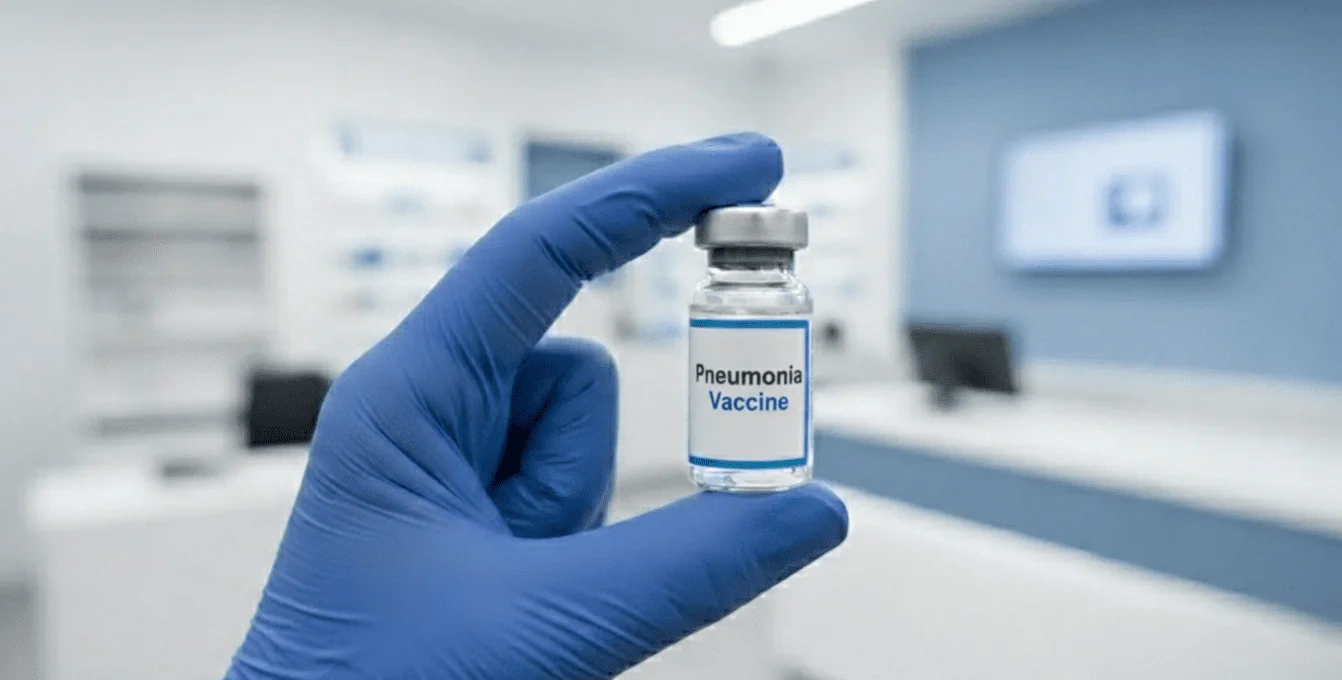
The Pneumonia vaccine protects against dangerous strains of pneumococcal bacteria that cause pneumonia and other serious infections. In the UK, the Pneumonia Vaccine uk is widely recommended for both children and adults at risk.
Common types:
- PCV (Pneumococcal Conjugate Vaccine) – for infants, children, and adults
- PPSV23 (Pneumococcal Polysaccharide Vaccine) – mainly for adults and high-risk groups
These vaccines are non-live (inactivated) and safe.
Who Should Get the Pneumonia Vaccine?
Recommended for:
- Infants and young children
- Adults 60–65+ years (as per doctor’s advice)
- People with diabetes, heart disease, lung disease, kidney disease
- People with weak immune system
- Smokers
- People with frequent respiratory infections
Very important for senior citizens and high-risk individuals.
Dosage Schedule
Your doctor will decide the exact schedule. Commonly:
For Children (PCV)
- Given as part of routine childhood immunization
- Multiple doses in infancy and early childhood
For Adults / Elderly
- 1 or 2 doses depending on age and medical condition
- Sometimes both PCV and PPSV23 are advised with a gap between them
Always follow doctor’s recommendation for correct vaccine type and timing.
Effectiveness
- Reduces risk of severe pneumonia
- Prevents meningitis and blood infections
- Lowers hospitalization and death risk
- Strong protection for elderly & high-risk patients
Side Effects
Usually mild and temporary:
- Pain or swelling at injection site
- Mild fever
- Fatigue
- Headache
Serious reactions are very rare.
Safety Information
- Safe for children and adults
- Safe for breastfeeding mothers
- Doctor consultation advised for:
- Pregnant women
- People with low immunity
- Can be given with other routine vaccines
Benefits of Chickenpox Vaccination
- Prevents severe lung infections
- Reduces hospital admissions
- Protects elderly & high-risk people
- Lowers risk of life-threatening complications
- Supports community health & disease prevention
FAQ
What does a pneumonia vaccination do, and what is its significance?
A pneumonia vaccination is meant to protect your lungs from severe infections. Protection from pneumonia severe infections is especially important for the elderly, and sick (those with weak immune systems).
Who does the pneumonia vaccine apply to?
The pneumonia vaccine applies to children, the elderly, and those with chronic illnesses. Those who fall within these categories are at the greatest risk for complications due to respiratory infections and pneumonia.
How often should I take the pneumonia vaccine?
Individuals are recommended a different number of doses depending on their age and health status. For maximum safety, some individuals are recommended to take different combinations of vaccines to get more than the recommended number of doses.
Are there risks to taking the pneumonia vaccine?
The risks are the same as the vaccination of other diseases: a mild rash on the injection site, and mild fever with the occurrence of an extreme rash and injury being incredibly small.
Can adults take the pneumonia vaccine?
Yes and it is encouraged as it lowers the risk of serious illness for the person with the health condition who is more than 60 years of age.
Stay Safe with Trusted Pneumonia Protection
Pneumonia can lead to serious health complications, especially for older adults and those with existing health conditions. Taking preventive steps today can help protect your lungs and overall well-being. At Burnham Health Pharmacy, we provide safe, professional, and convenient vaccination services tailored to your needs.